
In global conferences, climate-smart agriculture often appears ambitious and technical — satellite forecasts, digital platforms, carbon markets, drones. But in rural Côte d’Ivoire, it begins with a simpler truth: if planting happens on the wrong week, everything else collapses.
For smallholder farmers living one season at a time, climate-smart agriculture is not a development theme. It is a disciplined approach to reducing risk when climate uncertainty becomes the norm.
It works not because it introduces new ideas, but because it protects good decisions under worsening conditions.
The promise is not transformation overnight — it is survival this season, stability next season, and opportunity over time.
Why Climate-Smart Agriculture Is Not Optional
Across West Africa, three forces now shape the agricultural year:
- Shorter, inconsistent rains
- Higher soil temperatures and moisture loss
- Increasing pest pressure during climate stress
Farmers already understand these shifts. One farmer at Kpefele near Katiola summarized climate volatility more accurately than many policy briefs: “The sky changes its mind too often.”
When traditional rainfall reading becomes unreliable, experience alone is not enough. Farmers need timing intelligence, soil protection routines, and low-risk adaptation pathways.
Climate-smart agriculture here is not an innovation push; it is a risk-management system for rural livelihoods.
Three Pillars, Interpreted Through Rural Reality
| Global Pillar | What it means for smallholders in practice |
| Productivity | Avoid seed loss and protect early establishment — success starts with germination survival, not record yields |
| Resilience | Time planting around real moisture, protect soil from heat, and reduce avoidable losses across the season |
| Mitigation | Rely on organic fertility, shade, and low-waste systems that strengthen soil while staying affordable |
The objective is not maximizing yields at all cost. The objective is minimizing the probability of a bad season.
Resilient agriculture is not about peak output; it is about stable output.
Mita Project Model: Practical Climate Intelligence
Our work supports farmers with timely information, safe agronomic routines, and predictable increments of improvement.
Key components include:
1) Timing Systems
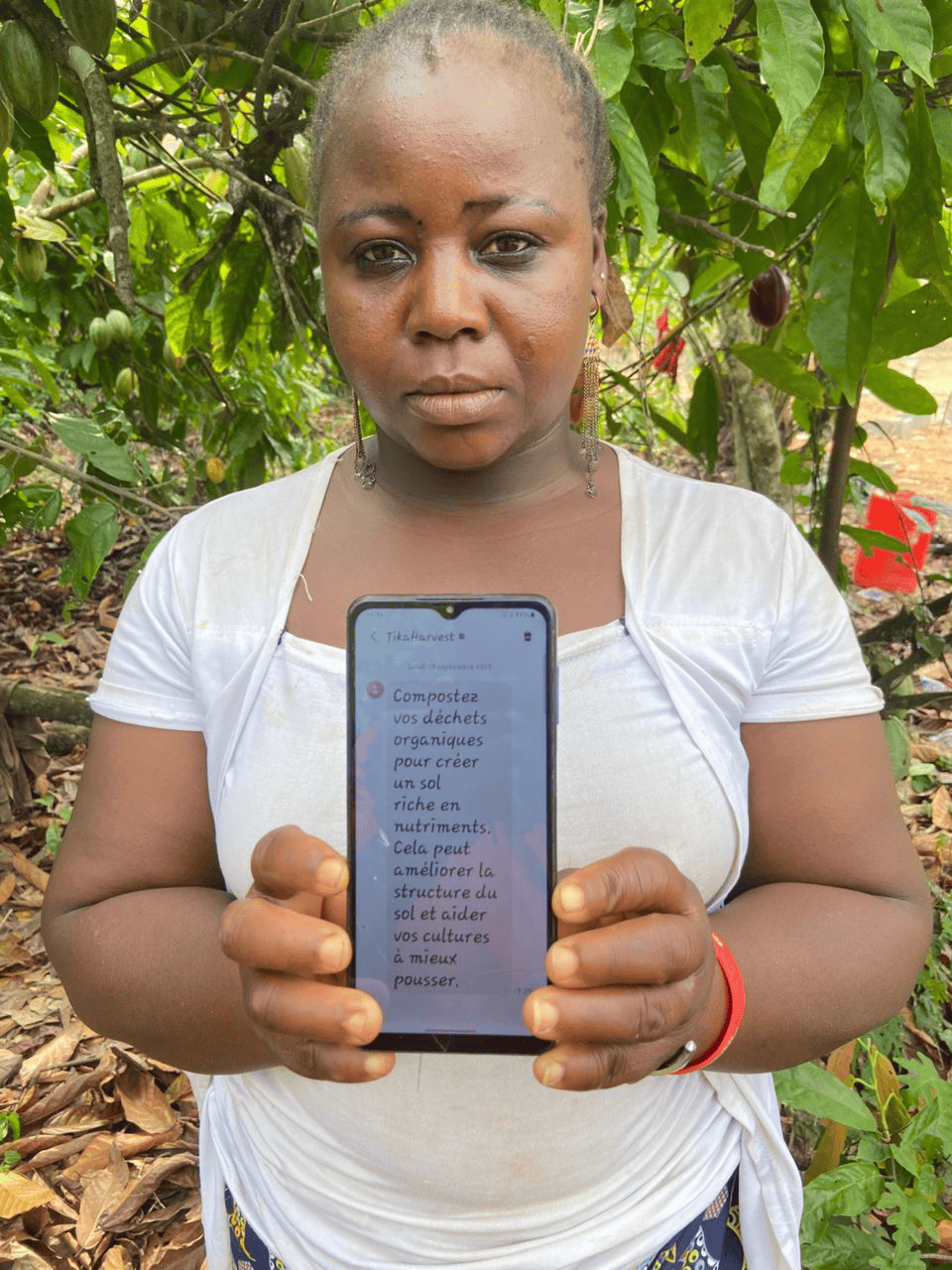
- SMS advisories tied to local rainfall patterns
- Planting windows based on moisture, not calendar tradition
- Reminders aligned to field rhythms, not office schedules
Early planting mistakes are costly — lost seed, lost labor, lost confidence. Precision timing protects dignity and margins.
2) Soil-First Routines
- Mulch rings to retain moisture and protect seedlings
- Cover crops or legumes to rebuild soil fertility
- Controlled weeding to avoid soil disturbance during heat spikes
- Composting and organic matter returns
Small steps — repeated consistently — keep soil alive when climate stress increases.
3) Low-Risk Input Strategies
- Minimum effective doses, not blanket fertilizer pushes
- Input guidance tied to plant growth stage
- Emphasis on safety, affordability, and alternatives
Good practice should not require farmers to gamble cash they cannot lose.
4) Community Learning
- Women-led learning circles
- Peer field checks after rainfall events
- Cooperative-based demonstration plots
Knowledge spreads fastest when proof travels by neighbor, not report.
Why This Approach Works
Climate-smart agriculture succeeds here because it fits rural constraints:
| Constraint | Response |
| Irregular rainfall | Moisture-based planting signals |
| Limited capital | Low-cost soil protection and micro-dosing |
| Time poverty for women | Short learning cycles and simple field routines |
| Small plots | Practices scaled to household context |
| Risk aversion | Gradual improvement, not abrupt change |
Farmers do not resist innovation — they resist uncertainty without backup. Good design removes fear from adaptation.
Evidence Through Behavior, Not Slogans
Success is visible when farmers adopt voluntarily the next season. We track changes like:
- More farmers delaying planting after false rains
- Increased mulch use in early stages
- Shared string-spacing instead of eyeballing rows
- New shade tree seedlings on plot edges
- Earlier detection of pest outbreaks through habit-based field walks
These behaviors precede data. They are early signals of resilience taking root.
A farmer in Ferke put it plainly: “Last year I planted with my head. This year I planted with information.”
That is climate-smart agriculture in one sentence.
Women as Stability Anchors
Our programs intentionally center women, not as a gesture, but because:
- Women manage household food and budgeting
- Their adoption patterns favor reliability over speculation
- They maintain soil-care routines with discipline
- They exchange methods in circles of trust
Stability in the field becomes stability in the home. Women make that link strongest.
What Donors Should Understand
Climate-smart agriculture is often evaluated on yield increases. That is incomplete.
The right success measures here include:
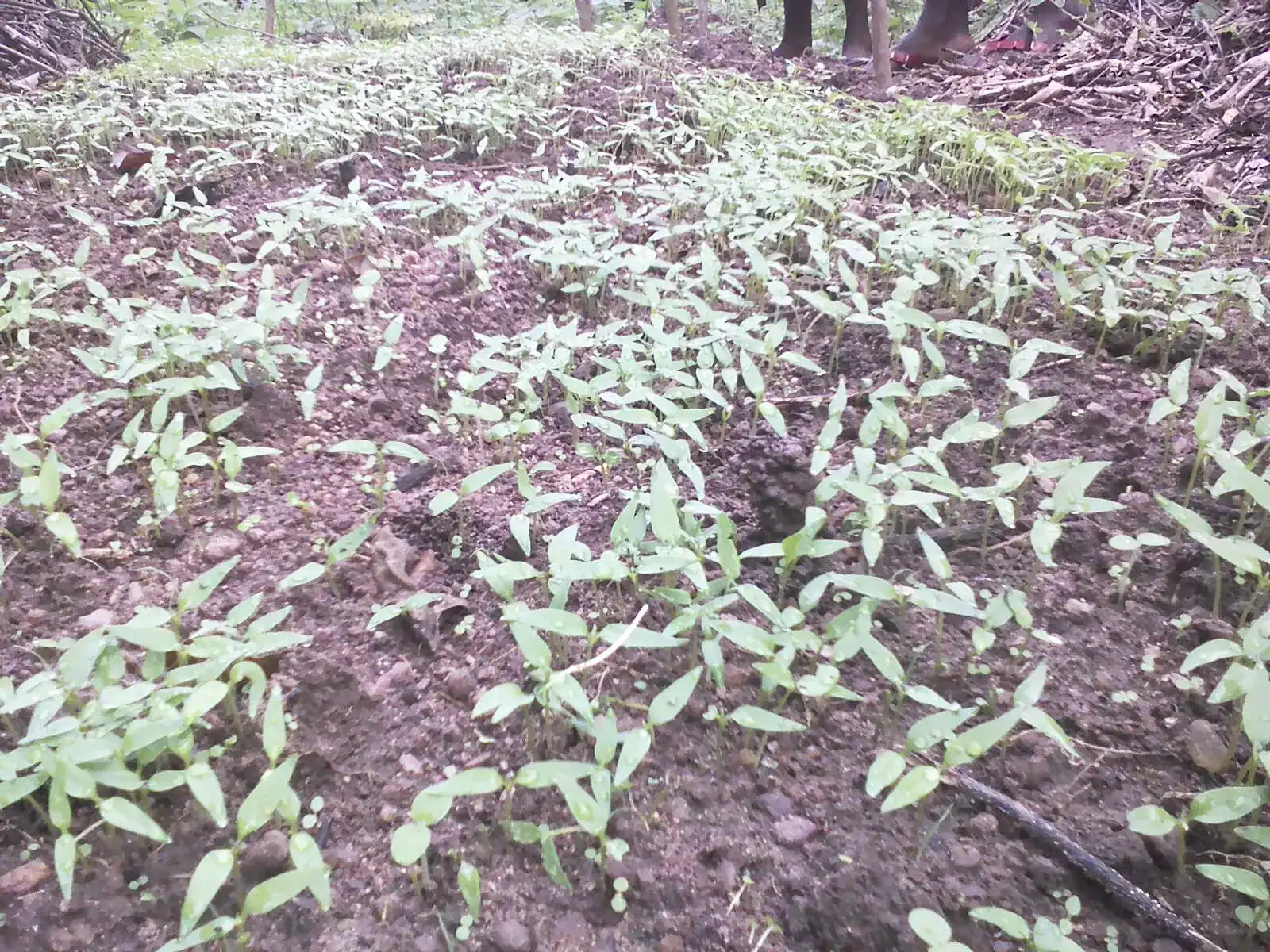
- Fewer failed germinations
- Higher survival at 30 days after planting
- Reduced input waste
- More predictable household food stocks
- Higher adoption retention next season
- Farmer-initiated expansion of practices
Impact here is not loud; it compounds quietly. The most meaningful result is a season without crisis.
How to Support This Work
Your partnership accelerates progress through:
- Farmer timing-advisory programs
- Women’s climate-smart learning circles
- Soil-health toolkits and compost hubs
- Cooperative demonstration fields
- Shade-tree nurseries
- Two-way farmer data for adaptive learning
Climate resilience is not built in a lab. It is built in weekly habits on 1-hectare plots.
This work deserves patient capital, patient listening, and long-term commitment.
Conclusion
Climate-smart agriculture in West Africa is not a technological frontier — it is an equity frontier. Farmers already know how to adapt; they need protection from downside risk, pathways to confidence, and access to timely information.
Resilience does not appear suddenly. It accrues — season by season, decision by decision, message by message. And when it does, it strengthens something deeper than yields: agency.
Support climate-smart agriculture
Partner with Mita Project
Join our field updates