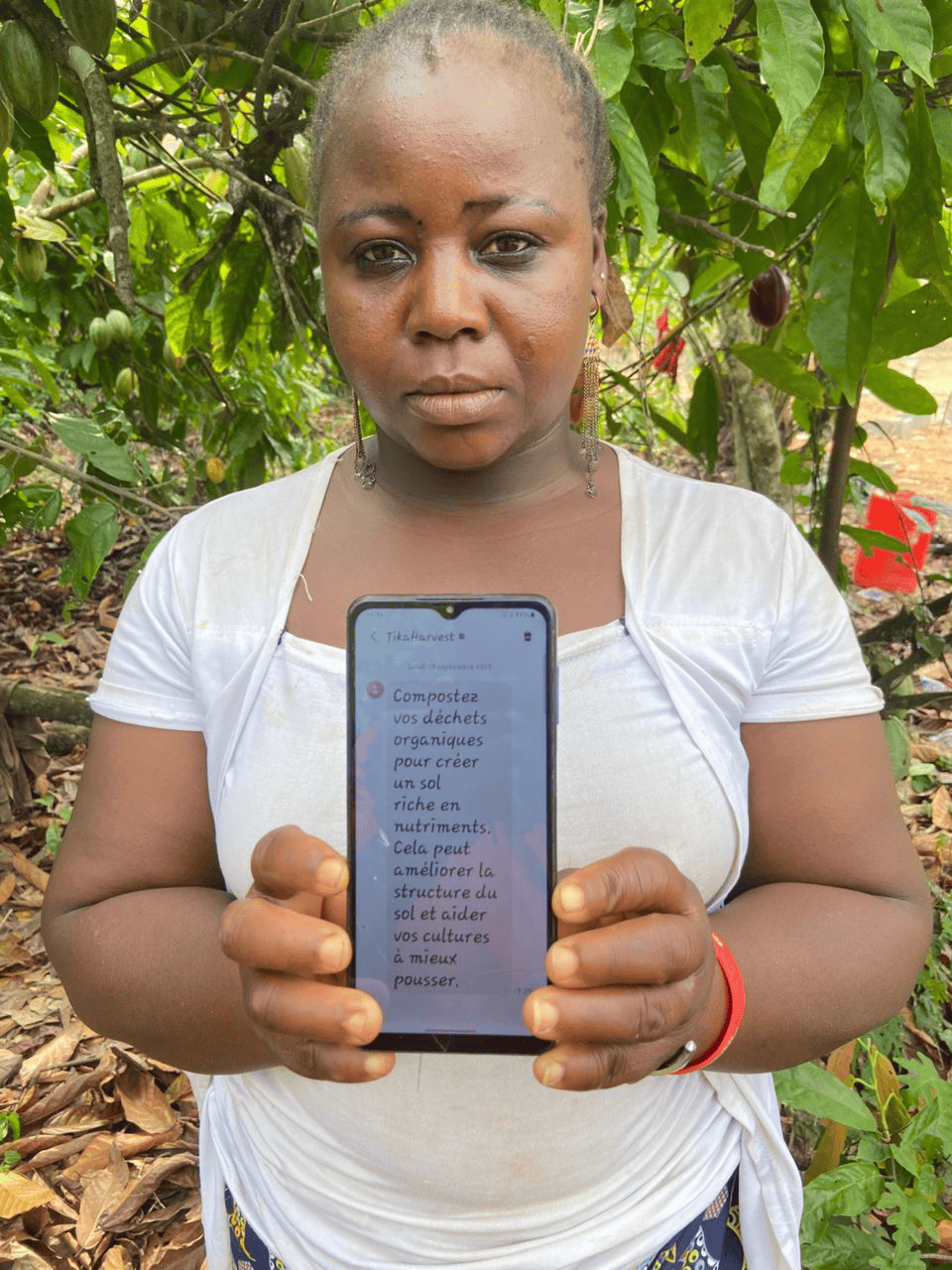

In development circles, “digital agriculture” often conjures images of satellites, dashboards, or smartphone apps. But in rural Côte d’Ivoire, the most transformative technology remains something far simpler: a basic mobile phone and timing information that respects a farmer’s day.
The digital future here is not defined by sophistication; it is defined by fit. When connectivity is uneven, literacy varies, and farmers operate with tight margins, the question is not, “How do we digitize agriculture?” but rather:
“How do we make essential decisions easier, safer, and more reliable?”
A well-timed SMS, delivered early in the morning before field work begins, can reduce risk more effectively than the most advanced tech deployed without context.
Digital innovation here is precision support, not digital spectacle.
The Problem Before Technology
Farmers are not waiting for digital solutions. They are waiting for reliable signals:
- When to plant without falling for false rains
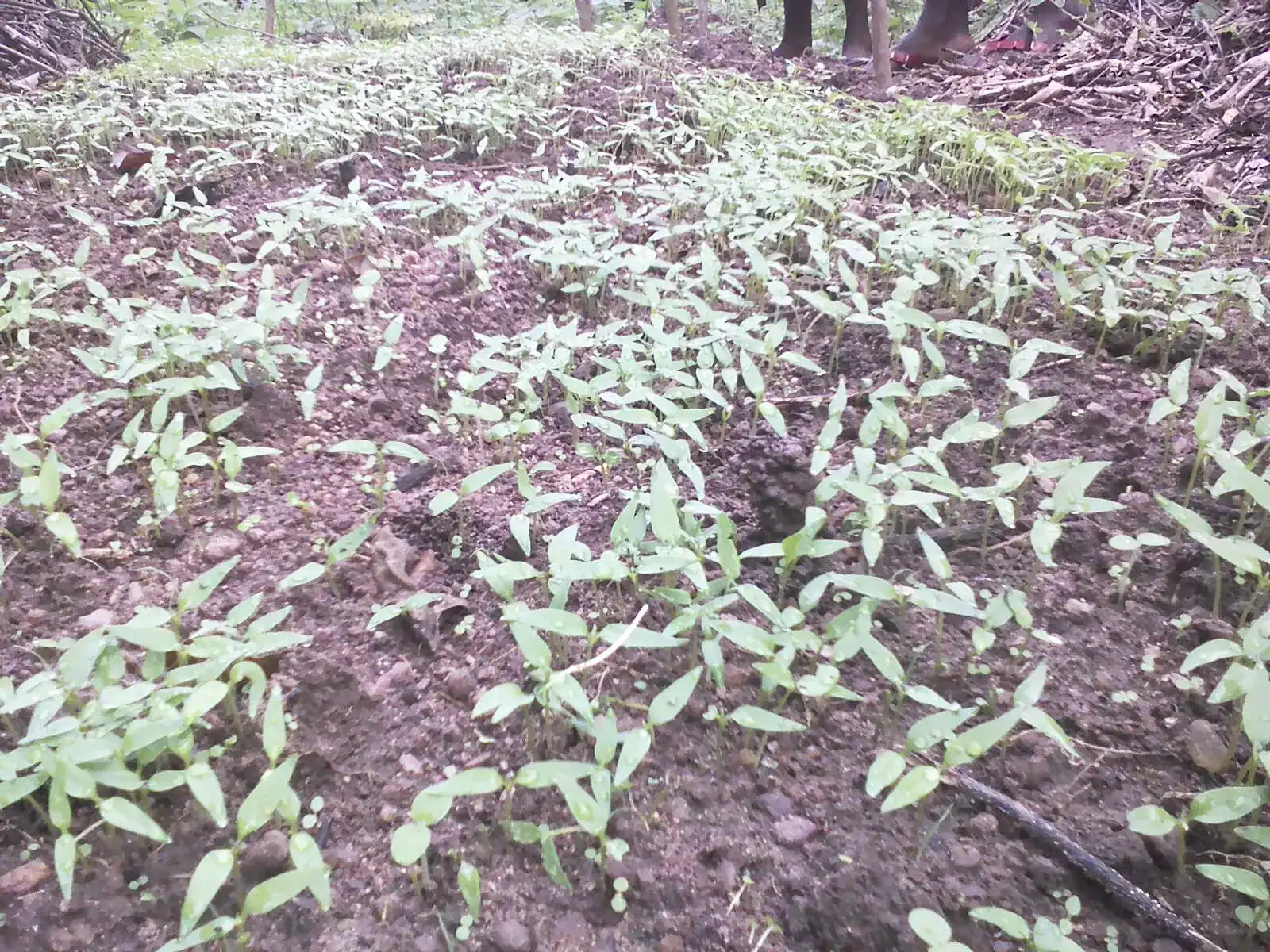
- How to protect seedlings from heat during early growth
- When pest pressure tends to spike
- How to store grain safely when humidity rises
Before any technology is considered, farmers are already running informal forecasting systems — looking at wind direction, ant trails, tree budding, ground moisture. Digital tools must supplement, not override, this intelligence.
Our goal is to enhance judgment, not replace it.
Why Basic Phones Matter More Than Apps
In many farming households:
- The most reliable phone is not a smartphone
- Women often use basic handsets
- Data packages can be unpredictable or costly
- Phones must survive dust, heat, and field life
- Messaging must function when towers fluctuate
A digital strategy that ignores this reality risks excluding the most climate-vulnerable farmers.
SMS and USSD succeed because they meet farmers where they are and support the way they already work.
What Support Looks Like in Practice
Mita’s digital support focuses on actionable, crop-stage-specific decisions:
| Crop Stage | Digital Advice Example |
| Pre-planting | Wait for two consecutive rains before sowing; assess soil moisture by hand test |
| Planting | Depth and spacing reminders; early shade tips during heat spikes |
| Early growth | Mulch around seedlings; weekly pest scouting prompts |
| Mid-season | Targeted top-dressing timing only if soil moisture allows |
| Harvest | Drying guidance, moisture checks, proper bagging practices |
Each message is tied to climate context, not a generic calendar.
A farmer once told us, “Your message arrives the same day I begin to doubt myself.” That is the design goal.
Human Guidance Is Still Central
Digital systems only work when human learning structures surround them:
- Cooperative meetings reinforce digital guidance
- Women’s learning circles adapt messages to daily routines
- Lead farmers provide interpretation and localized demonstrations
- Youth facilitators assist with USSD responses and data sharing
Technology can scale knowledge. It cannot replace trust.
Local Language, Local Timing
Messages are translated simply — sometimes into local idioms that carry agronomic wisdom naturally:
- “Let the soil drink twice before planting.”
- “Mulch protects seedlings the way shade protects a child.”
We schedule messages around:
- Morning field routines
- Market days
- Household responsibilities
- Evening rest times
Digital systems must respect human rhythms to be adopted with dignity.
Evidence of Change
We do not measure success only by yield. We track behavior shifts:
- Farmers waiting for real moisture before planting
- Women reporting soil moisture with confidence
- Plots mulched earlier in the season
- More consistent post-harvest drying practices
- Farmers sharing spacing strings and compost tips via SMS groups
When digital support leads to better decisions and lower anxiety, resilience increases long before statistics appear.
For Donors and Partners
Supporting digital agriculture here means investing not only in messaging systems, but in:
- Advisory accuracy and safety protocols
- Farmer feedback mechanisms
- Gender-inclusive access models
- Local agronomic validation
- Multi-season learning cycles
Digital programs should be judged not by app downloads, but by improved farmer confidence through volatile seasons.
Conclusion
Technology does not transform agriculture on its own. Relevance, timing, and trust do.
In Côte d’Ivoire, digital agriculture succeeds when:
- Phones are simple
- Messages respect the land
- Farmers remain the experts
- Precision focuses on the right week, not the right app
The future of agriculture here is not high-tech; it is high-trust, low-barrier, data-supported, farmer-led innovation.
Support farmer digital tools
Partner on rural tech pilots
Subscribe for field updates